Compost: A simple way to enrich soil and reduce waste
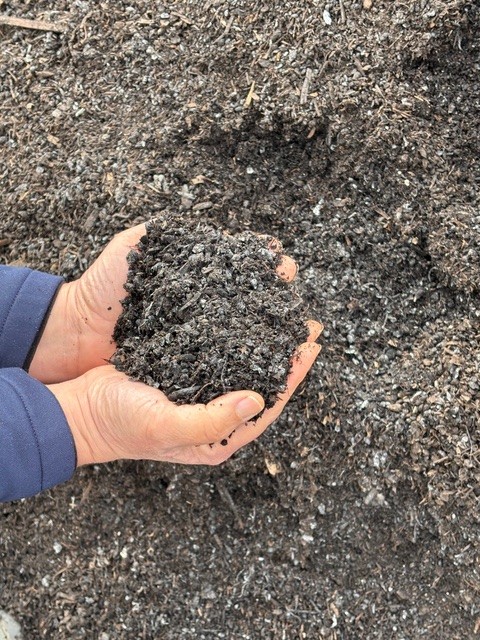
If you have read my columns for a few years, you will know I am crazy about compost. It satisfies my parsimony and indolence: a compost pile costs nothing, and even if you do nothing to it, it will decompose into a useful soil amendment. You don’t even have to dig it into your soil. Just put it on top of your plant beds, and beneficial organisms will do the rest.
I first noticed the life-giving properties of a compost pile on a trip to my grandmother’s farm in West Virginia many years ago. My mother was driving, and the sadistic driver in front of us, on purpose, dinged a box turtle that was trying to get to the river. We all shrieked, and my mother pulled over and picked up the turtle. It was alive, but its shell was cracked.
Sobbing, we gave it to my grandmother (also known as the original hippie) who stapled the shell together and put the turtle in her cold compost pile. Two weeks later it emerged, obese from eating all the fishing worms in the pile, and it waddled down to her garden where it ate all the strawberries.
I was only 6, and I thought the compost pile was magical and had cured the turtle. It was really stress reduction and a staple that saved it, but after that I was hooked on compost. And I still think compost is kind of magical.
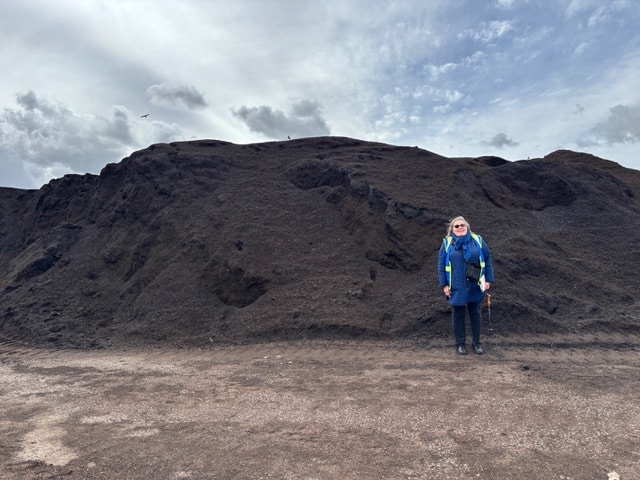
I am so hooked that I toured our municipal compost facility last year in American Canyon. This enterprise is a successful example of a public-private partnership. The city of Napa owns the facility, and it is run by Napa Recycling and Waste Services.
I was shown around by Naama Brenner-Abramovitch, one of the managers, and I learned something right away: she really doesn’t like the word “waste.” She prefers “resource,” which implies value. In fact, “Waste Is a Verb” is the title of the recycling center’s very informative YouTube video.
The facility uses hand labor as well as machines to sort compostables. When you put your yard trimmings and food scraps into the designated bin, they will be transformed into compost in just 63 days. Note: please take the plastic labels off your fruit rinds. The labels are inorganic and won’t decompose, and you will save Naama the trouble of picking them out of a pile of maturing compost, which I saw her do. Although the facility uses computers and machines, it is in many ways very hands on.
California Senate Bill 1383 mandated that all residents and business owners separate their unrecyclable and inorganic garbage from recyclable and compostable organic matter that would otherwise go to a landfill. It makes financial sense to do this, because most of us will end up with a smaller garbage can and our garbage bill will go down a bit.
It is also the right thing to do for the environment, as composting reduces greenhouse gases. And if you look at the big picture, recycling and composting keep us from consuming more of the world’s resources.
The process of transforming such enormous amounts of material is fascinating. After sorting, separating and grinding, the pre-compost is heaped on a concrete surface that has more than 3,000 holes through which air is blown to aerate the material. It also is watered with sprinklers, and the facility has temperature probes that monitor the piles’ heat. The ideal temperature is between 131°F to 170°F degrees.
I found the tour fascinating. The heaps of steaming, curing compost were daunting, and so was the thought that, not so many years ago, all of it would have been shipped to a landfill.
You can put any organic material in your municipal compost bin, including cheese, meat bones and scraps, even greasy pizza boxes and paper napkins. Note that those materials should not go in your home compost pile. The facility’s high heat can handle it; your home compost pile can’t. And remember this: I know your dog is special, but no one wants Fifi’s poop in the compost bin.
When the municipal compost is finished, you may buy it for your yard. Many of my neighbors do, and they are pleased with it. I am told it is a superior product, even better than the compost from a few years ago.
Thanks to California Senate Bill 1383, separating compostables from regular garbage is not a choice. It’s a mandate, yet some free spirits don’t obey the law. A little education is better than a fine.
Compost is a natural process, and you can help it along in your own back yard. If you want to learn how, attend one of the free compost workshops offered by UC Master Gardeners of Napa County on March 28, April 25, May 16 and Sept. 19. Visit the Master Gardeners website for more details and registration.
Workshop: Join UC Master Gardeners of Napa County for a workshop on “Spring and Summer Vegetables” on Saturday, March 14, from 10 a.m. to noon, at UC Cooperative Extension, 1710 Soscol Ave., Napa. Come get your hands dirty in this hands-on vegetable growing workshop. Learn what to plant now and later when the weather gets hot. Soil prep, irrigation, seed starting, transplants and potential problems: we’ll cover it all. The workshop will repeat on Sunday, March 15, from 1 to 3 p.m., at Yountville Community Center in Yountville. Register here for the Napa workshop. Register here for the Yountville workshop.
Workshop: Join UC Master Gardeners of Napa County for a workshop on “Worm or Backyard Composting” on Saturday, March 28, from 10 a.m. to noon, at Skyline Wilderness Park in Napa. Park entrance fee is waived for registered workshop attendees. Get more information and a registration link here.