
The Loose Cannon – 1942: The Bracero Program

It’s harvest time in the valley. Ever wonder how agricultural crops got harvested during World War II with so many men from farm families serving in the military? My dad and three of his brothers were the oldest of the six boys in their farming family. Less than 35 years after my grandparents left Spain, those four sons were fighting overseas.
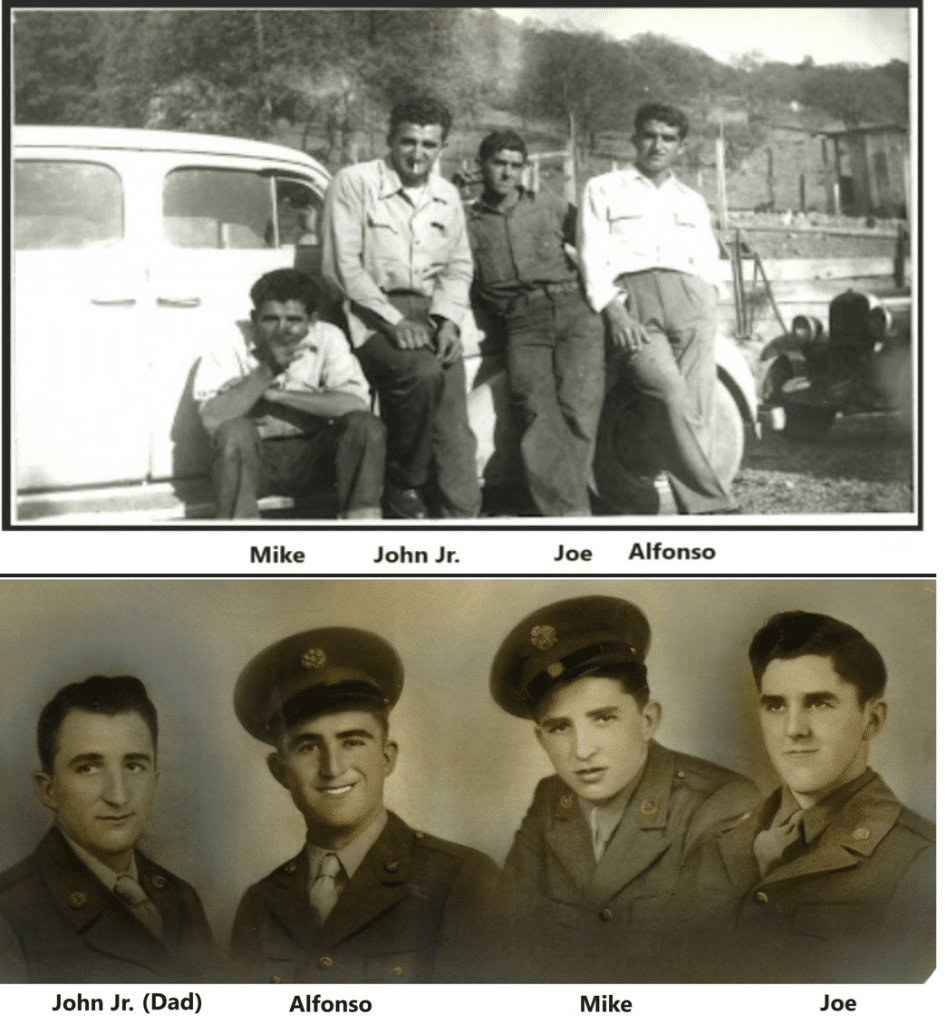
And they were blessed: all four came home.
During WWII, Mexican nationals played an important role in getting the crops harvested. And we’re not just talking grapes. In fact, the highest grossing crop in the Napa Valley in 1945 was prunes.
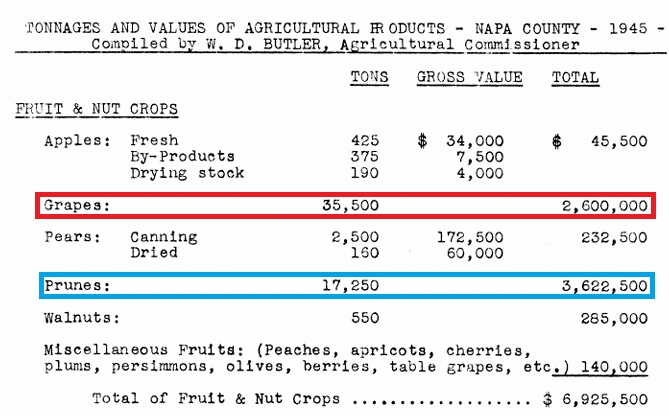
While there were twice as many tons of grapes produced, prunes brought in 40% more money. According to the above statistics, the average grape price was less than $75 per ton while prunes were selling for a whopping $210 per ton!
I’ve picked grapes. I’ve picked prunes. Neither was fun. But given a choice, I’d pick grapes. Was that a double entendre?
From the Library of Congress:
“1942: Bracero Program – An executive order called the Mexican Farm Labor Program established the Bracero Program in 1942. This series of diplomatic accords between Mexico and the United States permitted millions of Mexican men to work legally in the United States on short-term labor contracts. These agreements addressed a national agricultural labor shortage during WWII and implicitly, they redressed previous depression-era deportations and repatriations that unjustly targeted Mexican Americans who were U.S. citizens. Upon its termination in 1964, the Bracero Program had brought more than four million Braceros (arms) to work in U.S. agriculture and on railroads.”
Getting back to the war years, I want to share the following from the St. Helena Star in 1944:
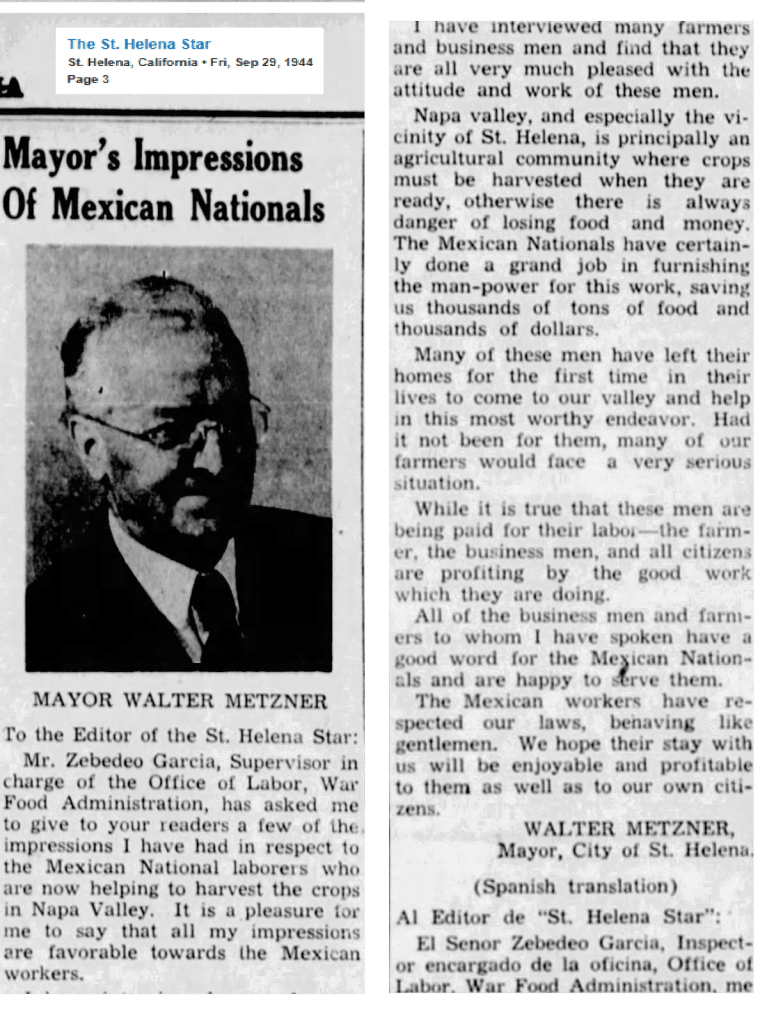
That was in 1944!!! And did you notice the letter was also translated into Spanish?
The relationship between the U.S. agricultural industry and Mexican nationals was, and is, as complicated as explained in this 1957 article:
Napa Valley Register, Feb. 27, 1957:
“MEXICO CITY – Mexican officials say a recent two-year extension of the migrant worker pact with United States is ‘highly beneficial’ but they would like to see more Mexicans staying on this side of the Border. Most Mexicans feel it would be more patriotic for migrant workers to devote their labors to Mexico than to seek employment outside.
Last year [1956] 428,416 migrant workers contracted to work on American farms and in food processing plants in Texas, California, Arkansas, New Mexico and Arizona. Uncounted others swim the muddy Rio Grande or bought forged papers to enter the United States.
Farmers complain everyone tells us to be patriotic and stay in Mexico, but no one tells us how to live on an empty stomach.”
It’s true that Mexican Pickers were paid a lot more in the states than they could earn in Mexico. One Rio Grande Valley farmer said low prices paid for picking in Mexico are a direct incentive for Pickers to risk their very lives in the dangerous river crossing to pick at higher prices. NOTE: The derogatory term “Wetback” was derived from those that crossed into the US via the Rio Grande.
Napa Register, Dec.10, 1959:
Farm Problem: Mexican Nationals or Domestics for jobs?
“… California agriculture is disproving conclusively an old adage that the man can be taken off the farm but not the farm out of the man.
Every year thousands of farm lads are looking at the big city lights and falling for the glitter. Someone must replace them. But who? Also, the migrant farm worker of the 1930s who fled from the dustbowl to find more attractive weather and work in California has begun to settle down — outside agriculture. The gap must be filled during harvest time.”
In January of 1960, Federal law required that aliens in Nevada & Northern California register providing their address to the government in January of each year.
In February of 1960, three Mexican farm laborers were arrested on Monticello Road on charges they entered the US illegally. They were booked in the Napa County jail before being taken to San Francisco for deportation hearings.
In March of 1960, President Eisenhower called for a broad liberalization of the immigration laws and was met with immediate and strong opposition.
The Bracero Program concluded on Dec 31, 1964
* * * * *
In the 1960s, U.S. Immigration used airplanes to find and deport farmworkers. The planes would circle over the valley and report farmworker locations to guys in vans below. And typically, when the vans rolled into the reported site, the farmworkers would scatter in different directions. On some vineyards, the access to the vineyards was limited. On those ranches, the farmworkers would park their cars in a way to prohibit fast and easy access by Immigration.
One time, Immigration raided a ranch that my dad was managing. As soon as they were spotted, someone shouted “La Migra,” and all the guys scattered, except for my cousin Duane. Duane, who had no reason to run, stayed and was approached by immigration. Because he was covered in dust from discing on a CAT D2 tractor all day, they made an assumption and asked Duane if he spoke any English. Duane’s response was, “I don’t speak anything else!”
* * * * *
My dad also managed a large, diverse property in the rugged hills east of Oakville. The property had multiple houses, but only one house was occupied. Two farmworkers lived there. My Dad almost always traveled to that ranch in his pickup or his Jeep to check on the guys and their work.
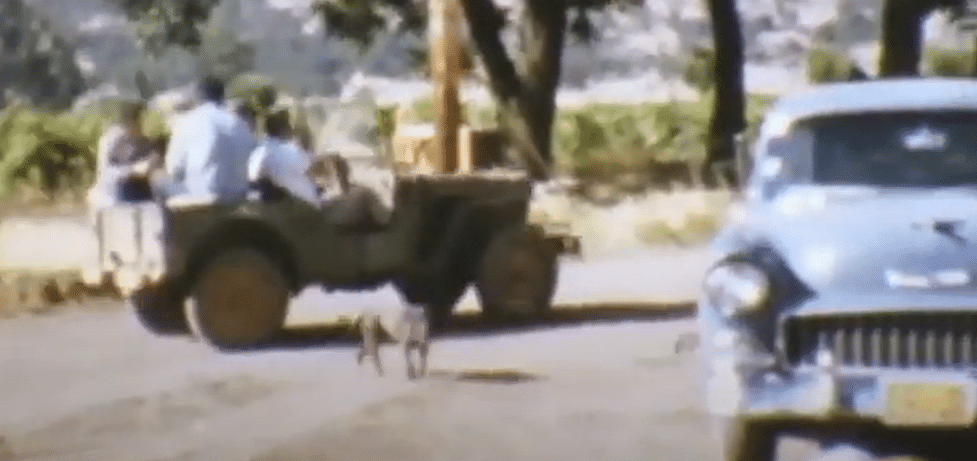
By the way, in that picture, that Jeep is at the location of the current PlumpJack tasting room. PlumpJack and Rudd were one ranch at that time (Mt. Eden Ranch) and under my dad’s control. I lived there until I was 13.
But my dad also had an old army surplus, black and white Dodge power wagon. It could go anywhere. It was a beast!
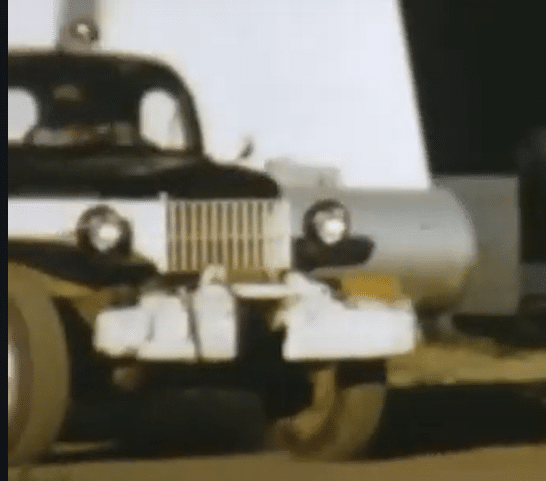
My dad, my brother Larry and the Beast!
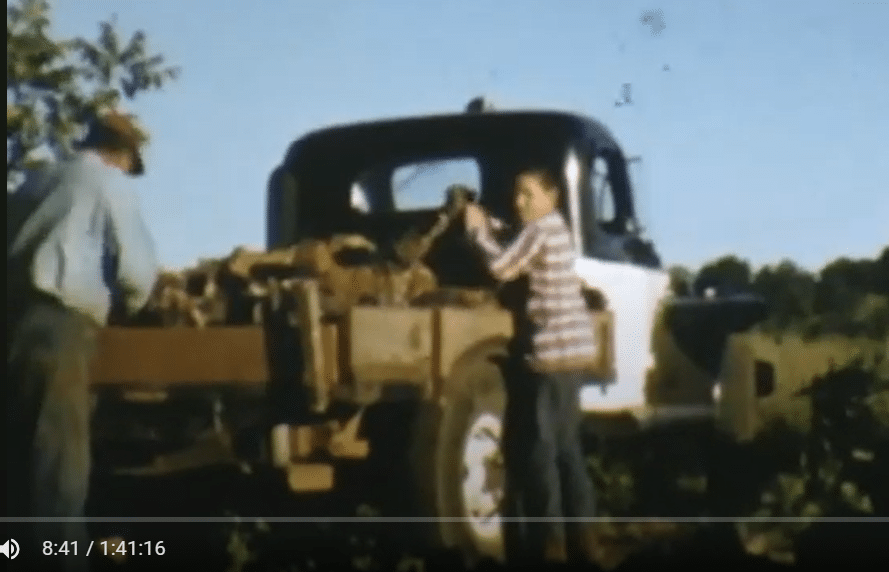
One evening as it was getting dark, my dad drove up to that ranch in that black and white power wagon. The farmworkers saw him coming and thought my dad was with Immigration. One of them ran down the rugged, overgrown canyon road to get away. My dad asked the remaining guy why he didn’t go with him. He explained that he was afraid of the dark. He was going to be deported before he would run down into that dark canyon. Well, it was fairly well known for rattlesnakes.
Hasta Luego, Mis Amigos (Which includes you, Amigas – funny little quirk about Spanish that way),
Ranndy
Sponsored
Author