Napa County Master Gardeners: From fallen leaves to flourishing gardens
It is the end of the summer growing season and the once prolific zucchini, bush beans, basil, summer squash and even tomatoes in my raised garden beds are succumbing to their natural life cycles. In a few beds, the plants did not produce as expected and have completely died off, while other beds still have tomatoes hanging on to some weary vines. As sad as that sounds, autumn is a welcome period of rest and preparation for planting cool-season vegetables.
One of the most important concepts that I have come to understand as a Master Gardener is that healthy soil is critical to a successful garden harvest. Right behind it in importance are providing the right location and irrigation. With those lessons in mind, I am adding organic material to my soil this fall to prepare it for winter and spring crops.
In the past, I didn’t realize that leaving the garden beds dormant all winter was a missed opportunity to improve my soil. I simply pulled out the dead and spent plant materials and waved goodbye until February. I also sentenced myself to hours upon hours of weeding in the spring.
For two seasons I thought I was outsmarting the weed spirits by covering my beds with a layer of cardboard (a key step in so-called “lasagna composting”). It was satisfying to pull up the cardboard and have weed-free garden beds. However, my soil was tired, compacted and nutrient deficient. So off I went to the nursery for bags of compost and organic nutrients. There’s a better way.
While I have not committed to setting up a compost bin or starting a hot compost pile in my yard, I realized that I can easily sign on to a slower method of composting in my beds. This method is low effort, and it makes use of free yard waste, such as grass clippings and autumn leaves.
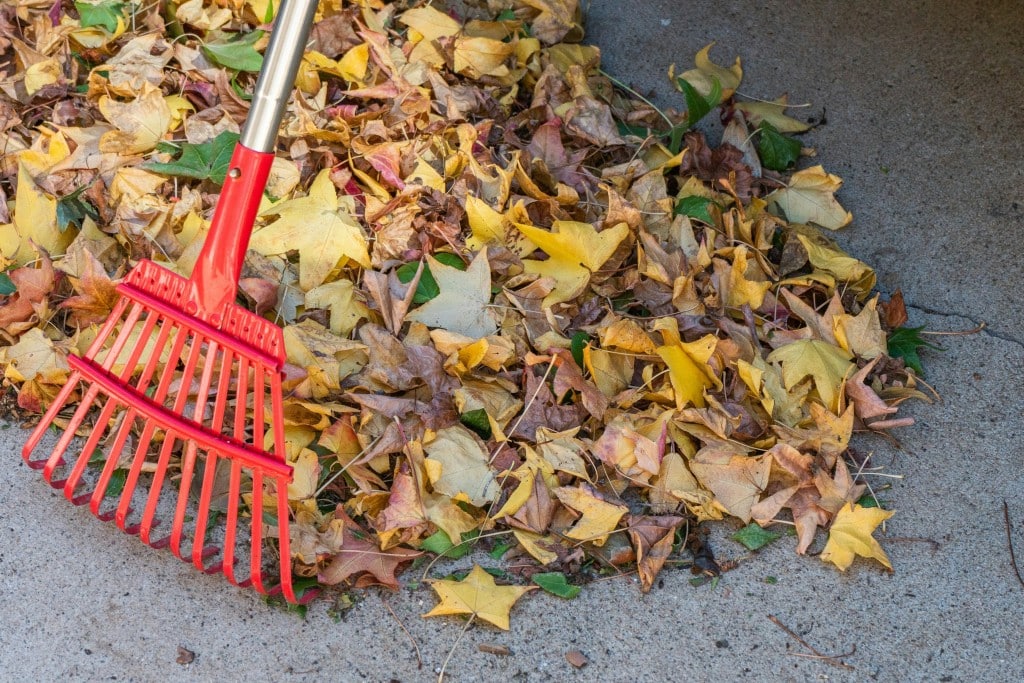
I don’t have much in the way of grass clippings as my lawn is small. But my neighbors have a nice section of healthy grass, and I have gladly accepted a few wheelbarrows of clippings from them to add to my beds. I also have a variety of trees that are starting to lose their leaves, so I can rake those up and add them to the mix. I’m using smaller leaves that have already dried so they will break down more easily.
I am also adding shredded paper, a few coffee grounds and a small amount of shredded plain cardboard. Essentially, I am mixing brown and green organic materials that, when they decompose, will return carbon and nitrogen to the soil.
Adding these carbon- and nitrogen-rich materials to the soil (about three parts brown material to one part green) is called cold composting. Compared to hot composting, which requires turning the pile often, it is a passive process. The organic material decomposes at its own pace and eventually becomes a natural fertilizer and soil amendment. Cold composting is slow—it can take three to six months for materials to decompose—but I’m not planning to plant in half the beds right away, and the soil will be healthier by spring. Additionally, those organic materials will insulate the soil this winter so worms will be more active and will aerate my soil.
In the spring I will add fresh compost (anywhere from a half inch to three inches is recommended) and gently incorporate it into the top four inches of soil in the bed. The Napa Recycling & Composting Facility in American Canyon sells an organic compost that you can purchase by the cubic yard or in smaller amounts for a reasonable price.
In the beds where I plan to grow winter vegetables, I will spread one-half inch to three inches of compost before planting this fall. Adding compost now will improve the tilth, or texture, of the soil and encourage the microbial activity that characterizes healthy, living soil.
Among the cool-weather vegetables that I had success with last year and will plant again this fall are garlic, onions, leeks, peas and beans. I plan to give carrots and broccoli a shot this year as well.
If you have a large area that you don’t intend to plant until spring, consider sowing a cover crop such as vetch, legumes or clover. These crops increase the organic matter in the soil and help minimize erosion. They also help reduce weeds. In spring, you dig the cover crop into the soil and let it compost in place, a sort of “green manure.” You can see winter cover cropping in vineyards around Napa Valley. Find more information on cover cropping here.
I encourage my fellow raised-bed and container gardeners to spend a little time this fall amending the soil so you, too, can start spring planting with richer, healthier soil. Don’t leave that soil bare and neglected. You might be surprised at how much healthier and more productive your plants are next spring.
Library Talk: Join UC Master Gardeners of Napa County and Napa Public Library for a Library Talk on “Carnivorous Plants, Eek!” on Thursday, Oct. 1, from 7 to 8 p.m., via Zoom. Enjoy a delicious look at the amazing world of carnivorous plants, focusing on how and why these beautiful hunters catch their meals. We’ll dive into the coolest species and what makes them unique. Register to receive the Zoom link.
Help Desk: The Master Gardener Help Desk is available to answer your garden questions. Use our online Plant Problem Help Form or email us at mastergardeners@countyofnapa.org. Include your name, address, phone number and a brief description of the problem. You can also visit us in person on Mondays and Fridays from 10 a.m. until 1 p.m. at the University of California Cooperative Extension Office, 1710 Soscol Ave., Suite 4, Napa.