Ceanothus ‘Concha’ belongs in California gardens
Four years ago, I wrote a column about my newly planted Ceanothus ‘Concha.’ I had chosen large plants over less costly small ones because, at my age, deferred gratification didn’t make much sense.
Well, I am still here, and so are my Ceanothus, which are now four feet tall and three feet wide and currently serving as a food source for birds. They bloomed early, after an odd winter that included lots of rain and a heat wave.
Ceanothus ‘Concha’ is an easy-to-grow hybrid of a California native plant. It likes full sun and doesn’t need much water once established. It fills out a far corner of my yard that doesn’t get much attention. It survives yearly strangling by the neighbor’s wandering jasmine and its flowers are a lovely purplish-blue, earning it the nickname of California lavender.
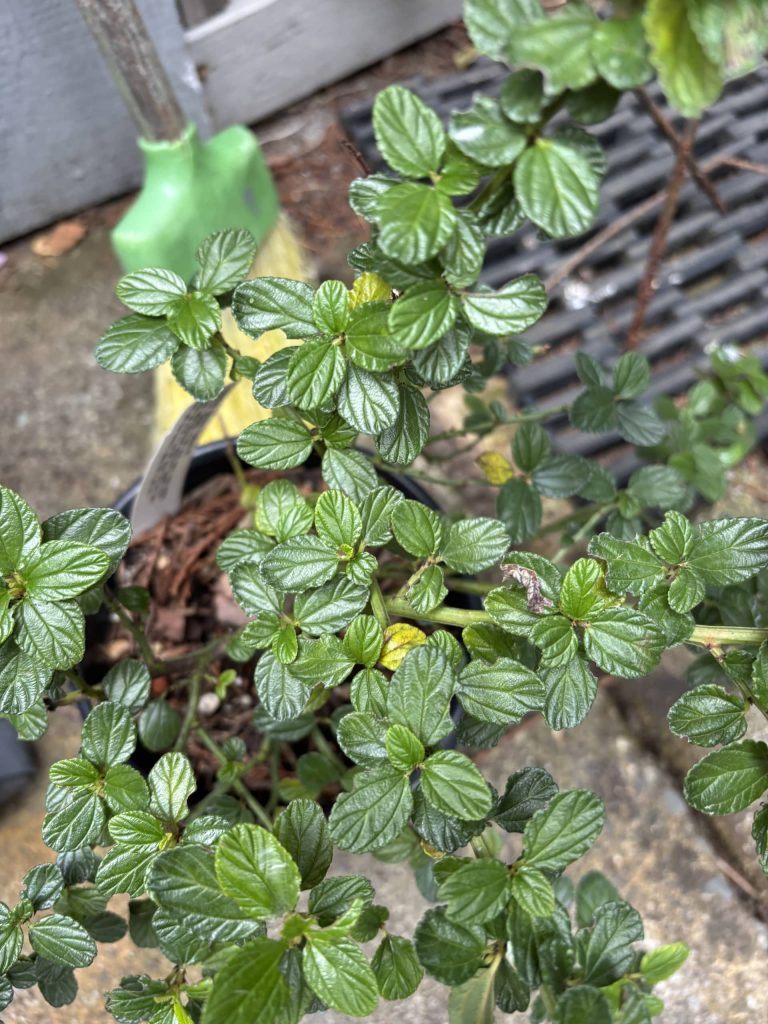
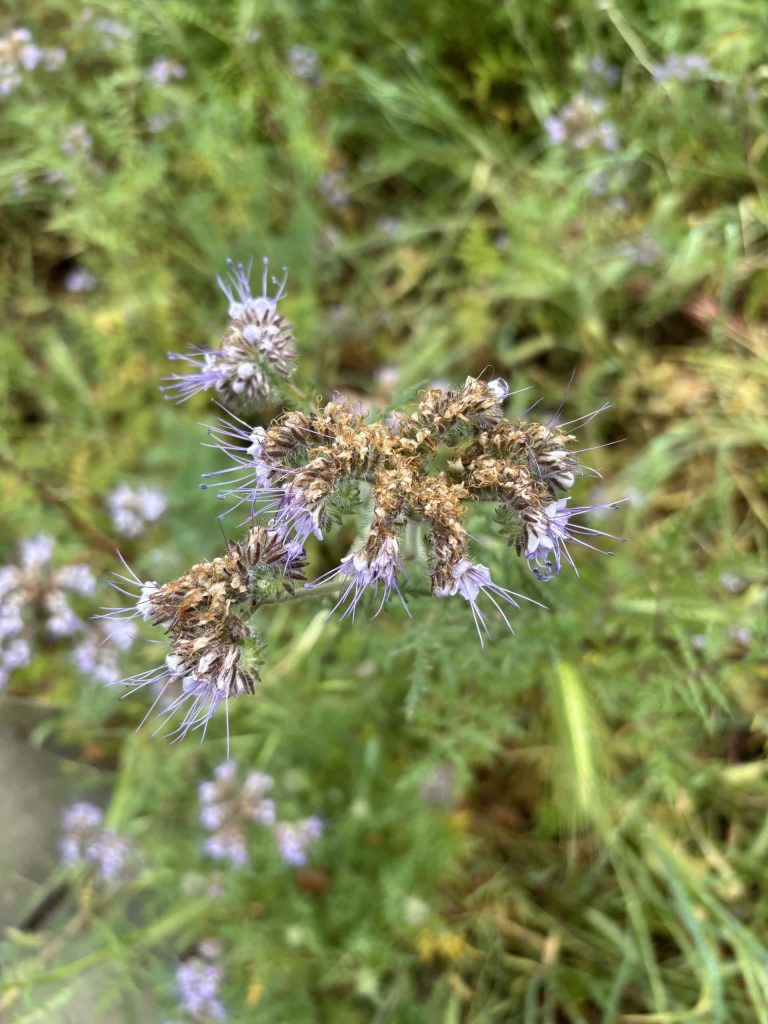
The leaves are dark blue-green, small and oval, with lightly serrated (sawtooth) edges. Some Ceanothus varieties have spiny leaves, almost like holly leaves, and deer won’t eat those. Ceanothus means “thorny plant.”
Ceanothus has many advantages for California gardens, but being water wise is the main one. It can go without pruning for a long time, although it’s a good idea to tip-prune actively growing branches to encourage new shoots. If your Ceanothus has non-productive woody stems and branches, especially on the inside, remove those.
To plant Ceanothus, dig a hole deep enough to accommodate the plant with room for the roots to spread. Twice as wide as the plant is a good measure. At the nursery, avoid plants with roots that have the “twirlies.” These specimens have likely been trapped in their container too long and the roots are encircling each other, forming a knot. If you see tangled roots when you take the plant out of the container, dunk the plant in water to loosen the soil and untangle the knot.
Mounding is recommended, meaning that you should plant your Ceanothus a little higher than the soil surface. (My mounds invariably sink). Apply mulch around your Ceanothus to keep moisture from evaporating too quickly the first year. Give it a lavish watering, meaning gallons, and then water every so often the first season. A couple of inches a month should be enough. After that, the Ceanothus needs almost no water.
Ceanothus does not need fertilizer, although compost is always welcome. Native Ceanothus are accustomed to unfertilized soil, and you could harm your plant if you get overenthusiastic with supplements.
Ceanothus is a nitrogen-fixing plant, meaning it adds nitrogen to the soil by virtue of a benign bacterium, Frankia, that lives in its roots and stimulates nitrogen production. The authors of The Drought Defying California Garden, Greg Rubin and Lucy Warren, recommend adding mycorrhizal inoculum (beneficial fungi) to the soil when you first plant your Ceanothus. “Myco” means fungus and “rhiza” refers to roots. The inoculum helps the Frankia to produce nitrogen, and if I were planting my Ceanothus in an extremely harsh climate, I would give it a try. If you use mycorrhizal inoculum, follow the package directions.
There are dozens of Ceanothus varieties. Some grow tall, ‘Ray Hartman’ can reach 15 feet. Others are low growing, forming mounds. ‘Joyce Coulter’ forms 3-foot-tall mounds with trailing branches that can spread 8 feet.
Napa County Master Gardener Penny Pawl told me about a Ceanothus variety found on Atlas Peak. I went to a favorite tome, A Flora of Napa County by Jake A. Ryugt, and found six pages of Ceanothus varieties listed, some considered quite rare. It looks as if a springtime hike in the Napa County hills might be worthwhile.
Whether a strict California native or one of the many hybrid varieties, Ceanothus is a worthwhile plant to have if you want to attract pollinators and other wildlife to your yard. I live in downtown Napa – hardly a rural setting – and I have so many pollinators in my yard it seems quite pastoral most of the time. Ceanothus will be a model citizen in your home garden: beautiful, easy to care for, unthirsty, attractive to wildlife and good for the soil.
Library Talk: Join UC Master Gardeners of Napa County and Napa County Library for a talk on “Home Composting: Questions and Troubleshooting” on Thursday, June 4 from 7 to 8 p.m. via Zoom. You’ve got questions? We’ve got answers! Register to receive the Zoom link.
Workshop: Join UC Master Gardeners of Napa County for a workshop on “Summer Rose Care” on Saturday, June 13 from 10 to 11:30 a.m. via Zoom. Keep your roses healthy all summer long with research-based information on how and why you should prune your roses, what to do about disease and bugs, when to fertilize and more. Register to receive the Zoom link.
Help Desk: The Master Gardener Help Desk is available to answer your garden questions. Use our online Plant Problem Help Form or email us at [email protected]. Include your name, address, phone number and a brief description of the problem. You can also visit us in person on Mondays and Fridays from 10 a.m. until 1 p.m. at the University of California Cooperative Extension Office, 1710 Soscol Avenue, Suite 4, Napa.