Keller, Housley speak out as Yountville employers call for pause on Commons project
Thomas Keller and Arik Housley are among a group of Yountville business owners and employers urging town officials to slow the proposed Yountville Commons project.
They are asking for more direct engagement with employers and workers and clearer answers on costs and design before major funding and construction decisions move forward.
“We support workforce housing and we support the Commons,” said Yountville chef and restaurateur Thomas Keller. “But housing only works if it actually works for the people who live and work here. Before Yountville commits to a project of this size and cost, it’s reasonable — and responsible — to slow down and make sure the fundamentals are right.”
Upcoming Yountville Town Council meetings on Feb. 17 and March 3 are expected to address financial assumptions, funding options and next steps for the project.
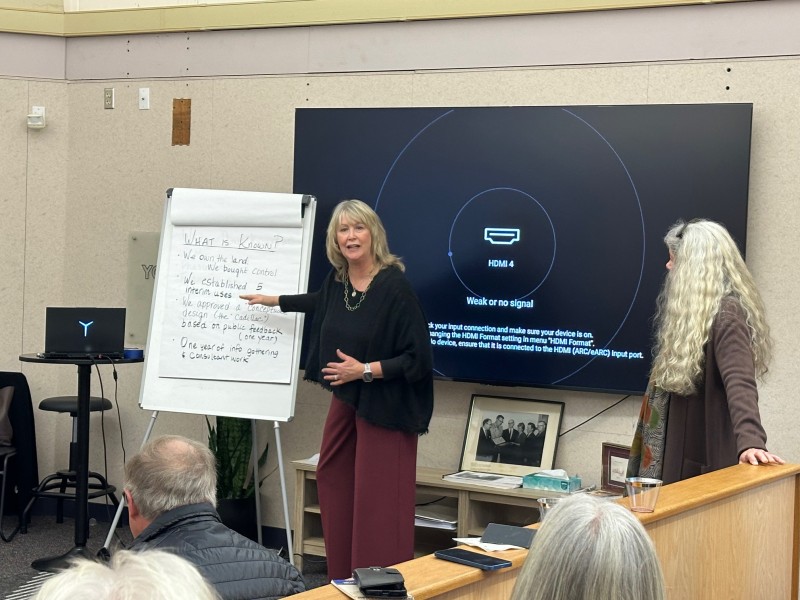
The employers, who represent a substantial share of the town’s workforce, emphasized that they support workforce housing and the Commons concept for the former Yountville Elementary School site, which the town purchased after the school closed. They believe, however, the project is advancing too quickly and at a scale that may not align with the needs of local workers.
The proposed redevelopment is a mixed-use project centered on workforce housing and civic space; the town is its own developer. Current concepts include 125 to 150 rental units, limited parking and phased construction. Final design, financing and construction decisions are expected in early 2026.
“Taking a pause is not opposition It’s responsible planning given all the unanswered questions — and the best way to give this project a real chance to succeed.” Chef Thomas Keller
Current plans emphasize studio apartments of about 300 square feet with limited parking, based on assumptions that many residents would not own cars or would rely heavily on rideshare services. The employers maintain these assumptions do not reflect the reality of Yountville’s workforce.
“As employers, we know our people,” Keller said. “Many of our employees are couples or families. A studio-heavy, dormitory-style approach with minimal parking doesn’t match how people actually live or work in this town.”
Employers also point out that no formal survey of Yountville workers or employers has been conducted to date, an oversight they say should be addressed before final design and funding decisions are set.
The town has already invested an estimated $13 million to $14 million to acquire and prepare the former school site. Planning discussions suggest total build-out costs could reach $40 million to $60 million, although no comprehensive business plan has been publicly released detailing long-term operating costs, projected rents, occupancy assumptions or potential financial risk.
“The right kind of workforce housing will be good for Yountville.” Arik Housley
Because the town owns the land and is acting as its own developer, employers say the financial risk ultimately rests with the community if costs rise or revenues fall short.
“The right kind of workforce housing will be good for Yountville,” said Arik Housley, owner of Yountville’s Ranch Market. “When the town is the developer, residents and businesses carry the risk. That means we owe it to the community to fully understand the financial exposure before moving ahead.”
Employers say key questions remain unanswered, including the assumptions behind the financial analysis, the feasibility of a studio-heavy housing mix in a small town, realistic parking and transportation needs and whether a smaller-scale project could reduce risk while still meeting workforce housing goals.
The group stressed that its request is not opposition to the Commons project but a call for collaboration and data-driven decision-making.
“Taking a pause is not opposition,” Keller said. “It’s responsible planning given all the unanswered questions — and the best way to give this project a real chance to succeed.”