Napa County Master Gardeners: A forgotten garden bed becomes a pollinator paradise
There is a particular kind of guilt that comes from walking past a neglected garden bed. Mine sat for years, half-hidden under weeds, ivy and blackberry vines, with only a few stubborn dianthus reminding me I once had plans for the place. Each time I passed, those surviving flowers seemed to ask, “Well?” Finally, one morning, I listened.
What was supposed to be an hour of weeding became a rescue operation. Once I started pulling, cutting and untangling, I could not stop. I wanted to save the dianthus, but I also wanted that little patch to feel alive again.
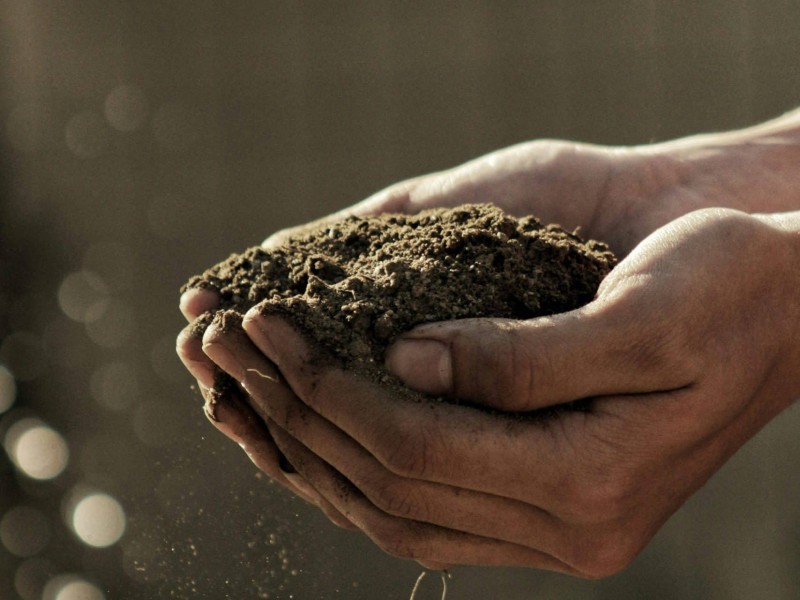
I added fresh garden soil, chicken manure and mulch, then watched how the sun moved across the area. The space was neither full sun nor full shade, which meant I needed plants willing to compromise.
My wish list sounded practical: plants for shade to partial sun, plants that could feed pollinators, plants that could handle Napa’s dry stretches, and, ideally, California natives. Then I went to the nursery, where practicality met temptation. Beauty has a way of editing a gardener’s rules.
The plants went into the ground first, and the research came later, which is not the order experts recommend. Still, I learned that most of my choices had something to offer. A few may become long-term stars. Others will need watching before they decide the whole bed belongs to them.
Sedum was an easy win. It is tough, drought tolerant and happy in lean soil, the kind of plant that looks good without asking for much. Its star-shaped flowers are useful landing pads for honeybees, bumblebees, native bees and butterflies. In late summer, when many gardens look tired, sedum can still be serving nectar.
California blue-eyed grass (Sisyrinchium bellum) felt most satisfying because it is a true California native. Despite the name, it is not really a grass but a member of the iris family, with narrow leaves and small blue-purple flowers centered in yellow. It can go dormant in summer, which may alarm a gardener who likes constant green, but that seasonal rhythm belongs here. Bees, hoverflies, butterflies and even birds can make use of it.
Catmint (Nepeta faassenii) also earned its place. It has the relaxed, silvery look of easy Mediterranean-style gardens, and its lavender-blue flowers can bloom for months if sheared back at the right time. Bees and butterflies are drawn to it, deer usually ignore it, and once established it prefers lean, dry soil. In other words, it understands Napa.
Other plants came with more personality and warnings. Creeping speedwell (Veronica repens) is a perfect example. In a lawn, it can be a weed, smothering turf and competing for water, nutrients and light. In the right garden spot, though, it can be a useful ground cover, helping with erosion and offering nectar-rich flowers in spring and early summer. I will watch to make sure it remains a neighbor, not a landlord.
Black Scallop (Ajuga reptans) brought drama, its glossy leaves ranging from burgundy to nearly black. It spreads into a mat and sends up violet-blue flowers that bees, butterflies and hummingbirds may visit. The caution is water as it wants well-drained soil and dislikes soggy conditions. Too much kindness from the hose could do more harm than good.
Sweet woodruff was another shade-loving experiment. In moist climates it can spread aggressively, but Napa’s dry summers may keep it more polite. Its tiny spring flowers can feed small native bees and syrphid flies, while its fragrant leaves have old-fashioned uses in potpourri and moth-repellent bundles.
Then there were the beauties that may require patience. Rhodohypoxis, with grass-like leaves and deep pink star-shaped flowers, probably would have been happier in a container where drainage is easier to control. Campanula poscharskyana, with charming blue-violet blooms, likes the mixed light I can offer but may want more consistent moisture than my low-water dream garden planned to provide.
That is the lesson hidden in every garden project. We begin with a plan, then the plants teach us what the place will allow. A pollinator garden is not just a display; it is a small negotiation among soil, sun, water, insects and the gardener’s hopes.
For now, my once-forgotten patch looks less like a problem and more like a promise. The dianthus is no longer alone. The mulch is fresh, the weeds are discouraged and the new plants are settling in, each with their own habits and demands.
I still walk past the bed often, but the feeling has changed. Instead of guilt, I feel curiosity. What will bloom first? Which bees will arrive? Which plant will surprise me or misbehave?
The garden is still small, still imperfect and still learning how to be itself. So am I. But that patch I used to hurry past has become a place to pause, and that may be the best sign of life a garden can give.
Become a Master Gardener: Join a group of enthusiastic local gardeners and become a UC Master Gardener of Napa County. Intimidated? No need! UC Master Gardeners do not know the answer to every gardening question, but they know how to find the answers. Register now to attend an information session about applying for the 2027 class. You must attend an information session to receive an application.
Library Talk: Join UC Master Gardeners of Napa County for a free talk on “Introduction to Bonsai, a Living Art Form” on Thursday, Sept. 3, from 7 to 8 p.m. via Zoom. Explore the history and practice of the ancient art of cultivating miniature trees to simulate full-grown trees in nature. Learn how to get started with bonsai and how to care for your living creations. Register to receive the Zoom link.
Help Desk: The Master Gardener Help Desk is available to answer your garden questions. Use our online Plant Problem Help Form or email us at [email protected]. Include your name, address, phone number and a brief description of the problem. You can also visit us in person on Mondays and Fridays from 10 a.m. until 1 p.m. at the UC Cooperative Extension Office, 1710 Soscol Ave., Suite 4, Napa.