Napa County Master Gardeners: Seeds of color and roots of tradition, the Hopi black sunflower
Most people think they know what a sunflower looks like: tall green stalk, big yellow face. Maybe you picture a row of them leaning toward the afternoon light.
The Hopi black sunflower is a little different. Its real distinction is tucked inside the seeds, where dark hulls can produce rich purple-black color for natural dye. Gardeners, seed savers and artists are interested in this variety because it is useful, attractive and connected to Hopi farming practices.
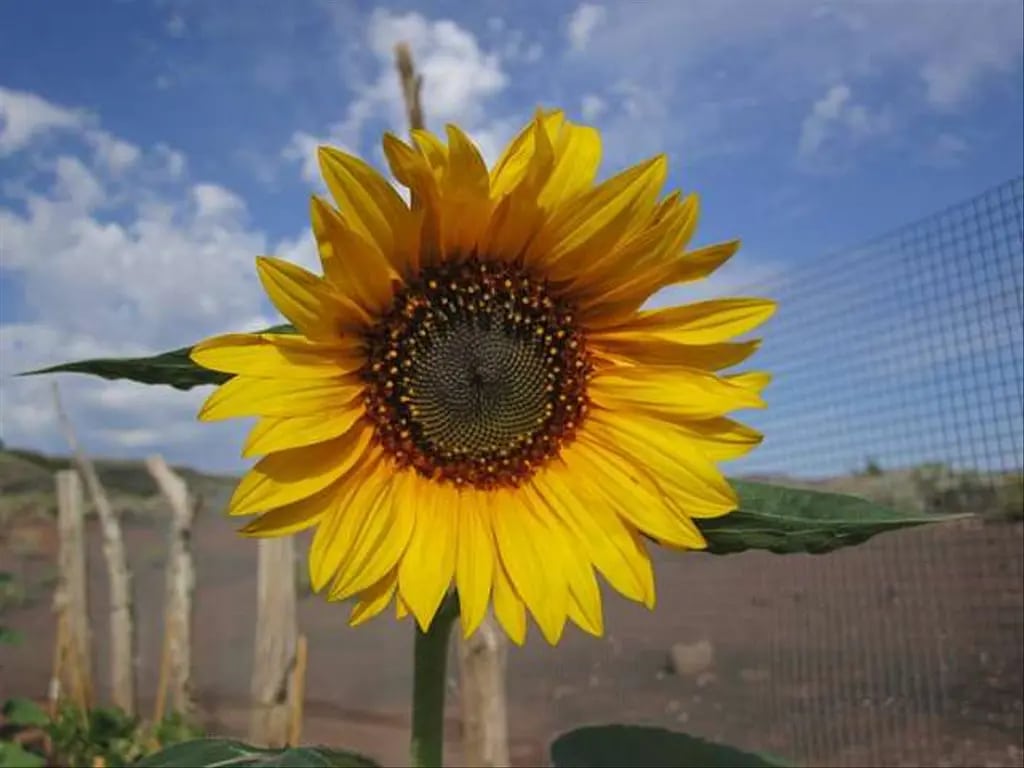
Known commonly as Hopi Black Dye sunflower, the plant is a variety of Helianthus annuus, the same species as many familiar garden sunflowers. What makes it different is the pigment in its dark seed coats.
When the seeds are soaked or processed for dye, they can produce shades of purple, gray, maroon or nearly black. The exact color depends on the water, the fiber, the timing and the method. That variability can be part of the fun, especially for people who enjoy experimenting with botanical color.
To understand why this sunflower matters, it helps to look at where its seeds came from.
The seeds trace back to Native American Hopi farming communities in the high desert of northern Arizona. The Hopi name for the sunflower is Tceqa’ Qu’ Si, and seeds of this variety were collected in Shungopavi, the Hopi reservation, in 1978.
In Hopi farming traditions, sunflowers were grown for more than their cheerful blooms. They served medicinal and artistic purposes as well. Over time, growers saved seeds from plants that tolerated dry conditions and produced dark hulls useful for dye. The Hopi black sunflower emerged from generations of Hopi farmers saving and replanting seeds from plants that grew well and had useful traits.
For Napa County growers, the Hopi black sunflower’s appeal is easy to understand. These plants like warm weather, and our region has plenty of that. They bring height and color to the backyard, draw bees and other pollinators while they bloom, and eventually make seeds that can be saved, shared or used in dye projects. A row of Hopi black sunflowers can look right at home along a fence, near a vegetable patch or at the edge of a larger garden bed.
If you decide to grow them, give them room. Seed catalogs often describe Hopi black sunflowers as tall plants that mature in roughly 90 to 100 days, with medium to large flower heads and, in some cases, side branches that carry extra blooms.
Full sun is important, and young plants appreciate steady water while getting established. Once mature, sunflowers are tough, but strong stalks still benefit from good soil and enough space for air to move between plants.
Working with the dye is where things get interesting. Natural-dye artists know that plant color is rarely predictable in a paint-chip sort of way. One batch of Hopi black sunflower seed might create a pale lavender wash. Another might lean gray, plum or deep purple.
The results can change depending on the fabric, the preparation and even the season the plants were grown. For some makers, that unpredictability is exactly the point. The color feels alive because it reflects the conditions that produced it.
The Hopi black sunflower is relatively easy to grow. Sow seeds after the danger of frost has passed and the soil has warmed. Plant them shallowly in a sunny spot, thin crowded seedlings, and keep them watered until they settle in. In exposed spots, staking may help because mature plants can grow taller than a person.
When the flower heads begin to dry and the backs turn brown, the seeds are close to ready. Birds may notice them first, so gardeners who want a good harvest often cover the heads with paper bags or bring them indoors to finish drying.
Saving seed is part of the appeal of growing these plants, but it calls for some care. Sunflowers cross easily with other sunflower varieties nearby, so growers who want to keep Hopi black sunflower traits should separate plantings when possible and label saved seed clearly.
Sharing seed can be a generous act, especially when the gift comes with accurate information about the plant’s background and usefulness. Preserving this history matters because planting heirloom seeds is about more than gardening. These seeds can also transmit memory, culture and community knowledge.
The Hopi black sunflower can be admired for its seeds, useful pigment and garden presence, but its name should not be treated lightly. Gardeners outside Hopi communities can approach it respectfully by learning where it comes from, speaking about it accurately and supporting Indigenous-led seed preservation efforts and agricultural education.
Hopi black sunflowers offer more than dramatic seed heads. They remind growers that a flower can be beautiful, practical and connected to centuries of agricultural knowledge at the same time.
Free Guided Tree Walk: Join UC Master Gardeners of Napa County on a docent-led walk through Napa’s historic Fuller Park on Sunday, Oct. 11, from 10 to 11:30 a.m. Discover some of the many exotic and native trees planted there over the last 120 years. Meet at the corner of Oak and Jefferson Streets. Group size is limited and registration is required for each guest. Register here.
Help Desk: The Master Gardener Help Desk is available to answer your garden questions. Use our online Plant Problem Help Form or email us at mastergardeners@countyofnapa.org. Include your name, address, phone number and a brief description of the problem. You can also visit us in person on Mondays and Fridays from 10 a.m. until 1 p.m. at the University of California Cooperative Extension Office, 1710 Soscol Ave., Suite 4, Napa.