Planting a hillside garden
If you’re like me, you may look at your landscape every day and imagine how much better it would look without the weeds. The harder question, especially if your property is on a hillside, is what to plant in their place.
I decided to remove the weeds on my hillside and replace them with drought-resistant plants. After several days of exposed rootless soil baking in the sun, the surface became unstable. The loose topsoil caused me to slip as I tried to climb. The experience reminded me of childhood attempts to walk up a downward escalator, except this time, sliding backward with every step was not fun.
As I continued clearing the hillside, I noticed weed fabric poking through the soil. The fabric had been draped across the hill and covered with only a thin layer of soil. Unfortunately, the fabric did not reduce weeds because the soil on top gladly grew them. Instead, the result was a worsening erosion problem.
Pulling up the fabric brought up clumps of soil creating divots. Because the top layer of soil could not bind with the soil underneath the fabric, the upper layer became unstable, cracking and shearing long before I started to weed.
Obviously, I would need to select plants that could thrive on a hill. But I also needed to stop further erosion, keep the soil in place and help water stay on the slope long enough to benefit the plants.
I began by studying the environmental factors influencing the plants on my hillside. The first factor was the condition of my soil. It was dry, eroding, compacted and a mix of clay, sand and rock, a composition that changed from the bottom of the hill to the top.
I also considered sun exposure, the steepness of the slope and the prospective plants’ drought tolerance. Together, these observations helped me choose plants that were suited to the hillside rather than simply attractive. With those goals in mind, I looked for plants that would not only survive on the hill, but also contribute to a more stable, water-wise and resilient garden.
Next, I perused the UC Davis list of Arboretum All-Stars, plants that have proven hardiness and adaptability to California’s Mediterranean climate. These plants typically need less water once established and provide food, water and shelter for pollinators, beneficial insects and wildlife.
I chose plants based on where they would have the best chance to thrive. The soil at the top of the hill is high in clay and lined with shade trees. For this area, some of my choices included Salvia spathacea (hummingbird sage), because it can thrive with as little as one hour of direct sunlight, and Heuchera maxima (island alum root), because it thrives in shade and tolerates heavy clay. Before planting, I amended the soil with compost and soil conditioner to provide these plants with a better chance to establish.
I have always loved hydrangeas, but they can be difficult to grow in California and can attract insect pests. I was happy to find Hydrangea quercifolia (oakleaf hydrangea), which attracts beneficial insects and honeybees, requires significantly less water and tolerates more sun than other hydrangeas and comes in a range of sizes. Its beautiful white-pink blooms and oak-shaped leaves are sure to add dimensional character.
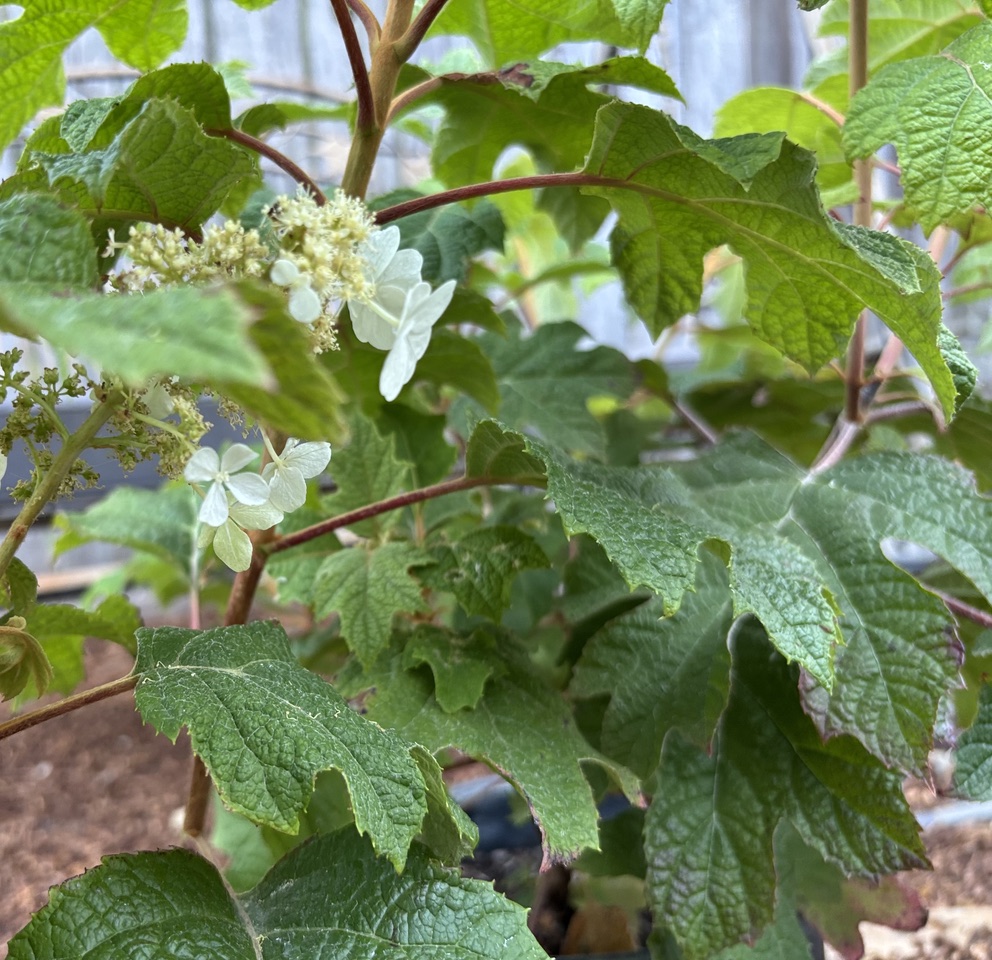
I amended the soil with compost, then planted the oakleaf hydrangeas in an area with trees that provide afternoon shade. Because the shade trees are still small, I chose Munchkin and Ruby Slippers hydrangeas, smaller varieties that grow only 3-1/2 feet tall and 4 feet wide.
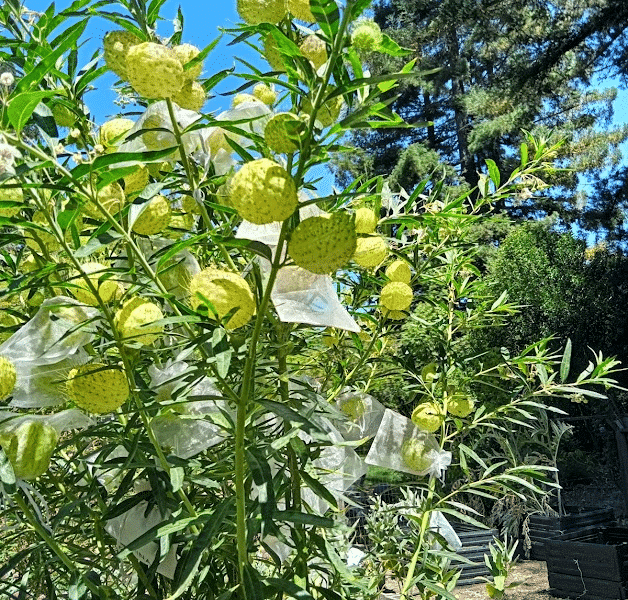
For sunnier parts of the hill, I chose a mix of larger and smaller plants. One of the larger choices was Mexican marigold, which needs full sun. It can grow up to 6 feet tall and 8 feet wide, making it a good option for filling larger open spaces. Its extensive root system will also stabilize the soil.
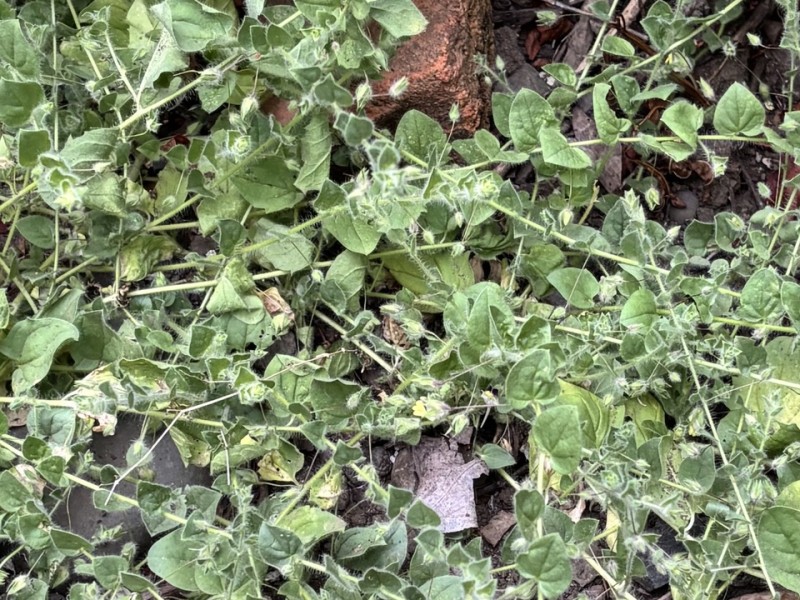
For the bottom of my hill, where the soil is rockier, I chose Oenothera serrulata (yellow sundrop). This full-sun groundcover tolerates rocky soil and stabilizes the topsoil as its roots weave over and through the rocks. Plus, it complements the sun-loving purple salvia planted above it in less rocky soil.
Although these plants have different sunlight and soil preferences, they all share one important trait: they are drought-tolerant once established. They are a good choice for a steep hillside because their extensive root systems help stabilize the soil. As groundcover spreads across the top few inches of soil, it reduces erosion by holding the topsoil in place. Plant roots slow water movement so more moisture can soak into the soil.
Research suggests that planted hillsides lose only 10 to 20 percent of water through runoff; bare soil loses 60 to 70 percent. Adding organic matter to the planting hole further improves the soil’s ability to retain water. Together, strong-rooted plants and healthy soil create better conditions for a resilient hillside garden.
Become a Master Gardener: Join a group of enthusiastic local gardeners and become a UC Master Gardener of Napa County. Intimidated? No need! UC Master Gardeners do not know the answer to every gardening question, but they know how to find the answers. Register now to attend an information session about applying for the 2027 class. You must attend an information session to receive an application.
Workshop: Join UC Master Gardeners of Napa County for a workshop on “Fall & Winter Vegetables” on Saturday, Aug. 15, from 10 a.m. to noon, at University of California Cooperative Extension, 1710 Soscol Ave., Napa. Learn which vegetables thrive in cool or even cold weather, and when to plant for a harvest in fall, winter or early spring. It’s all about timing. We will also discuss soil management and dealing with common pests. Register here. This workshop will be repeated on Sunday, Aug. 16, from 2 to 4 p.m., at Yountville Community Center, 6516 Washington St., Yountville. Register here for Yountville workshop.
Help Desk: The Master Gardener Help Desk is available to answer your garden questions. Use our online Plant Problem Help Form or email us at [email protected]. Include your name, address, phone number and a brief description of the problem. You can also visit us in person on Mondays and Fridays from 10 a.m. until 1 p.m. at the University of California Cooperative Extension Office, 1710 Soscol Avenue, Suite 4, Napa.