From curious gardener to Master Gardener; the garden was talking
I didn’t dream of becoming an expert gardener. I simply wanted to grow fresh food for my family and know what to do when something in my garden wasn’t thriving.
My vision wasn’t hundreds of acres or living completely off the grid. It was much simpler: a few raised planter beds, a couple of rows of seasonal vegetables, fresh herbs just outside the kitchen door and a warm loaf of homemade bread to share with friends and family. As a full-time, self-employed preschool owner and director, I knew that kind of garden was something I could realistically sustain.
Instead, I spent years guessing. When something in my garden wasn’t thriving, I’d water more, water less, move things around and hope for the best, never really knowing whether I was helping or hurting. Like many home gardeners, I wasn’t lacking enthusiasm. I was lacking information I could trust. I wanted to understand what my garden was trying to tell me.
For years, the closest I came to that dream was visiting the Napa Farmers Market on Saturdays and stopping by the local bakery for a fresh loaf of artisan bread. I loved the experience, but eventually I realized I wanted more than to admire it from the sidelines. I wanted to know how healthy soil produces healthy food and how to create that experience for myself.
One afternoon, while scrolling through social media, I came across a Napa County Master Gardener post inviting people to attend an upcoming information meeting for the training program. Something about it caught my attention. It didn’t feel intimidating or exclusive. Instead, it felt like an invitation to ordinary people who wanted to understand their gardens better and become part of a community of curious gardeners. I decided to attend.
At that informational meeting, I learned about the training, the volunteer opportunities and the mission of helping our community through science-based gardening education. More importantly, I realized I had found exactly what I was looking for, a place where home gardeners could find reliable, science-based answers to everyday gardening questions.
Over the next several months, I joined a cohort of people from many different backgrounds, all brought together for different reasons but united by a shared curiosity and a desire to learn. Each week we learned from specialists in their fields, along with experienced Master Gardeners, who generously shared not only their expertise but also their own gardening successes and failures.
The classes were thoughtfully organized and grounded in science-based research from UC Agriculture and Natural Resources, yet the instructors never made the material feel intimidating. Whether someone was planting their first garden or had years of experience, everyone was welcomed, encouraged and treated with respect.
One of the first things I learned is that gardens are always communicating with us. Yellowing leaves, poor production, unexpected insects or other changes in the garden aren’t simply problems to eliminate, they’re clues. Once you begin to recognize those clues, gardening becomes less about trial and error and more about observation, curiosity and informed decisions.
The people in my training class were just as memorable as the lessons. Several have become good friends.
One woman sitting beside me openly admitted she had little gardening experience. She joined because she wanted to better understand the fundamentals of gardening. Another trainee loved gardening and expressed a desire to work smarter, not harder. A mother hoped to bring new ideas and reliable resources back to her children’s school garden. Others worked in the wine industry as viticulturists and winemakers and wanted to deepen their understanding of sustainable growing practices.
Listening to their stories, I realized none of us had arrived for the same reason. What united us was a shared curiosity and the belief that there was always something new to discover.
I had my own moments of uncertainty. One of our instructors was a plant pathologist, and I remember feeling intimidated whenever she asked questions during class. I assumed someone with that level of expertise might expect us to know all the answers. Instead, she was approachable, encouraging and refreshingly honest about the challenges she faced in her own garden. That day I realized expertise isn’t measured by having every answer. It’s reflected in a sense of wonder, humility and a willingness to keep asking questions.
One of the first opportunities I had to put my training into practice came during the Napa County Master Gardener Spring Garden Tour. Another first-year Master Gardener and I volunteered at a garden site to present a demonstration on soil and water retention.
Before the visitors arrived, I quietly wondered whether I would remember everything I had learned or be able to answer their questions. Then the first visitors walked toward our table.
Almost immediately, the information no longer felt memorized—it felt understood. Instead of giving a presentation, I found myself having conversations. Visitors shared stories about their own gardens, asked thoughtful questions and exchanged ideas with one another. It felt less like teaching and more like neighbors gathered around a garden fence.
What the Master Gardener program gave me wasn’t a notebook full of answers. It gave me something far more valuable: the ability to find reliable, science-based information whenever new questions arise. Gardens are always changing, and no gardener has all the answers. What changed for me wasn’t that I suddenly knew everything; it was knowing where to look, whom to ask and how to separate sound advice from guesswork.
If you’ve ever wanted to grow your own food, make more informed decisions in your garden, meet wonderful people or give back to your community, I encourage you to attend one of the upcoming Napa County Master Gardener information meetings (schedule below). Attendance at one information meeting is required to receive an application for the 2027 training class. Register at napamg.ucanr.edu.
Saturday, Aug. 221 to 2 p.m.
UC Cooperative Extension
1710 Soscol Ave.
Napa
Tuesday, Sept. 1
10 to 11 a.m. via Zoom
Tuesday, Sept. 15
6:30 to 7:30 p.m. via Zoom
Workshop: Join UC Master Gardeners of Napa County for a workshop on “Fall & Winter Vegetables” on Saturday, Aug. 15, from 10 a.m. to noon, at the UC Cooperative Extension, 1710 Soscol Ave., Napa. Learn which vegetables thrive in cool or even cold weather, and when to plant for a harvest in fall, winter or early spring. It’s all about timing. They will also discuss soil management and dealing with common pests. Register here. This workshop will be repeated on Sunday, Aug. 16, from 2 to 4 p.m. at Yountville Community Center, 6516 Washington St., Yountville. Register here for Yountville workshop.
Help Desk: The Master Gardener Help Desk is available to answer your garden questions. Use our online Plant Problem Help Form or email us at [email protected]. Include your name, address, phone number and a brief description of the problem. You can also visit us in person on Mondays and Fridays from 10 a.m. until 1 p.m. at the UC Cooperative Extension Office, 1710 Soscol Ave., Suite 4, Napa.
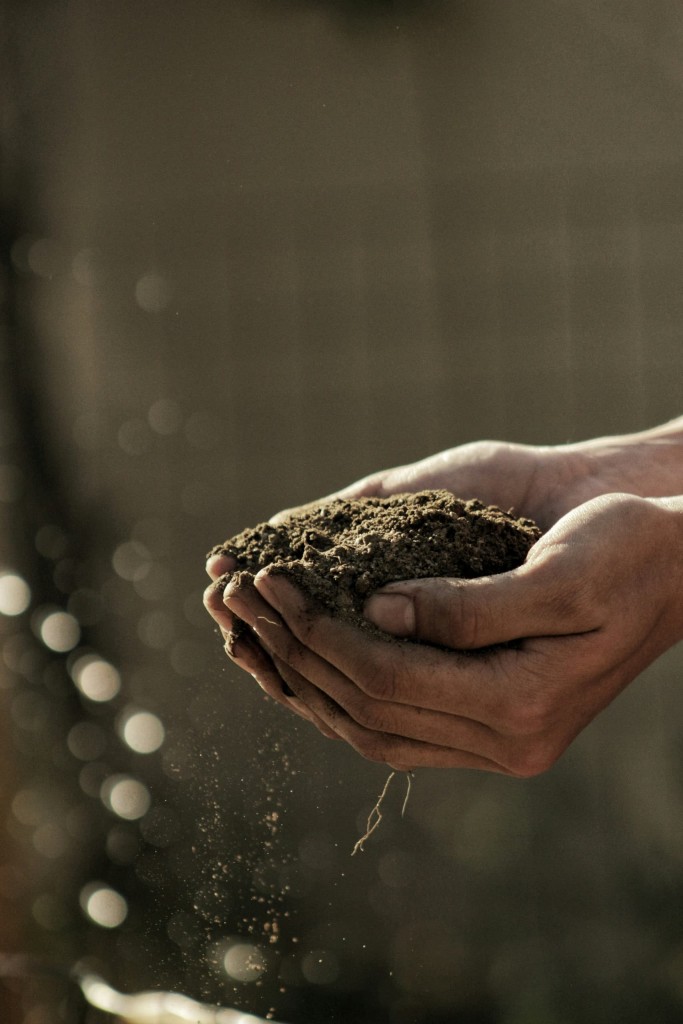
Gabriel Jimenez on Unsplash photo